Two-month-old black bear cub brothers arrived at the San Diego Humane Society Ramona Wildlife Center where they will receive the care they need in order to prepare them for release back into the wilds when they are mature enough.
The cubs arrived on March 15 from Monrovia after their mother was killed by officers from the California Department of Fish and Wildlife (CDFW) after DNA testing confirmed the bear had been involved in two incidents endangering the public. In the latest incident, the mother bear, known as “Blondie” by area residents, had swiped at a woman walking her dog. The woman only suffered minor injuries.
The cubs will be raised by the San Diego Humane Society’s Project Wildlife team and will receive minimal human interaction to help ensure they remain wild. Caretakers wear bear masks, animal fur and use appropriate scents to conceal any human identification.
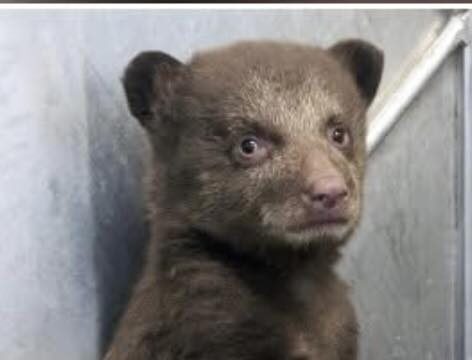
Autumn Welch, the manager of wildlife operations at the San Diego Humane Society stressed how important it is when raising wildlife to be released to be kept away from human interaction:
Raising bear cubs from this young age requires an extraordinary amount of time, expertise and resources. We don’t want them to associate with humans in any way if they are going to have a chance to survive in their natural habitat.
The cubs are fed four times a day with a specialized “bear gruel” which is a combination of milk, fruit puree and nutrient rich pellets. Their habitat has been designed to mimic what a natural environment in the woods would be like, complete with stuffed “siblings” and a large teddy bear to mimic their mother when they need some extra comfort.
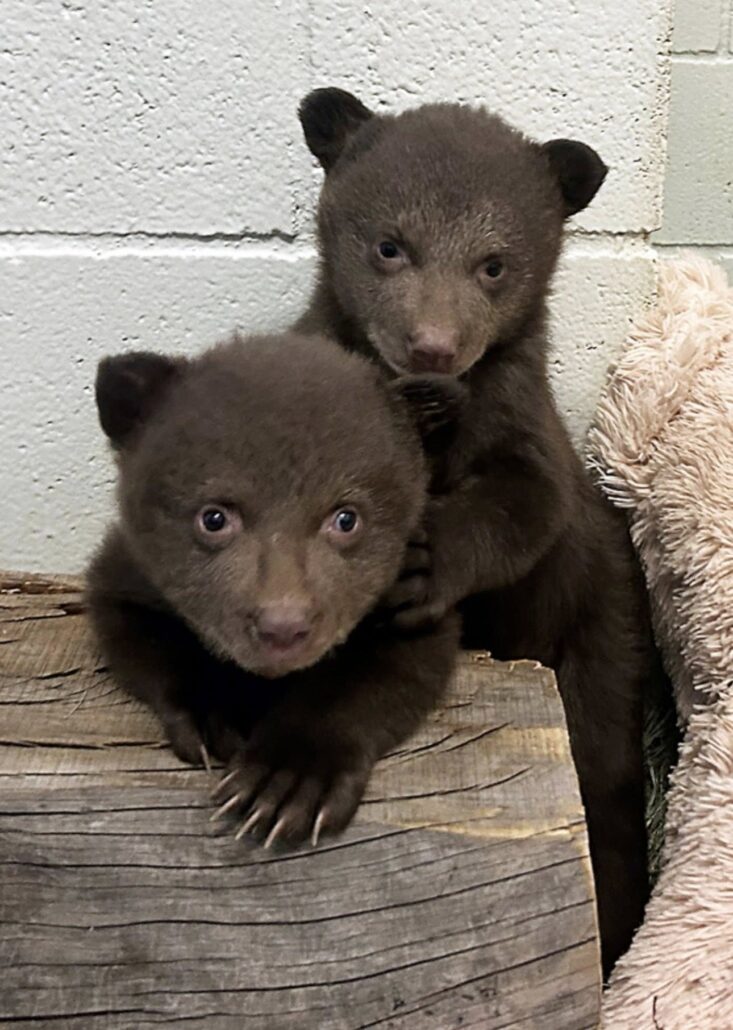
The bear cubs will probably be released next winter when they are old enough and strong enough to survive on their own. Mother bears teach their cubs how to survive by modeling their mom’s behaviors. Now it will be up to the staff to teach the cubs survival skills.
One problem with bears, or would the problem be closer to the fault of humans, is that bears are opportunists and will seek out food and shelter easiest available. They will dine on trash in unsecured garbage cans and cuddle in open and unsecured crawl spaces; both behaviors humans can control with diligence and planning.
As a nonprofit, San Diego Humane Society relies entirely on donations for its work to care for more than 10,000 wild animals each year.
To support this vital work or learn more, please visit: sdhumane.org/wildlife.
Check out the video:
Follow the National Pet Rescue on Facebook for the latest animal related news.
Daisy and the shoe