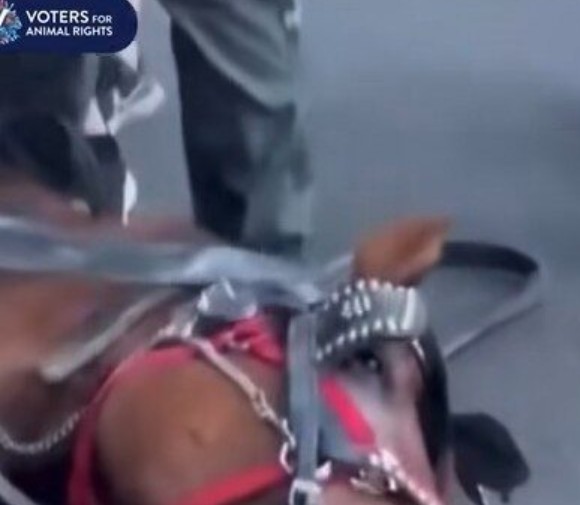
On June 10, a New York City a 16-year-old carriage horse named Deniz collapsed and died in Central Park.
The death of Deniz quickly escalated the ongoing battle to ban horse-drawn carriages in New York City. A spokesperson for TWU Local 100, who is also a carriage driver, stated that Deniz had worked in the city for about ten years. He had been pronounced fit to work after his most recent examination in March by the veterinarian for the Police Department’s Mounted Unit.
A necropsy report just released by the TWU union stated the horse’s death was caused by a nonnative toxic plant.
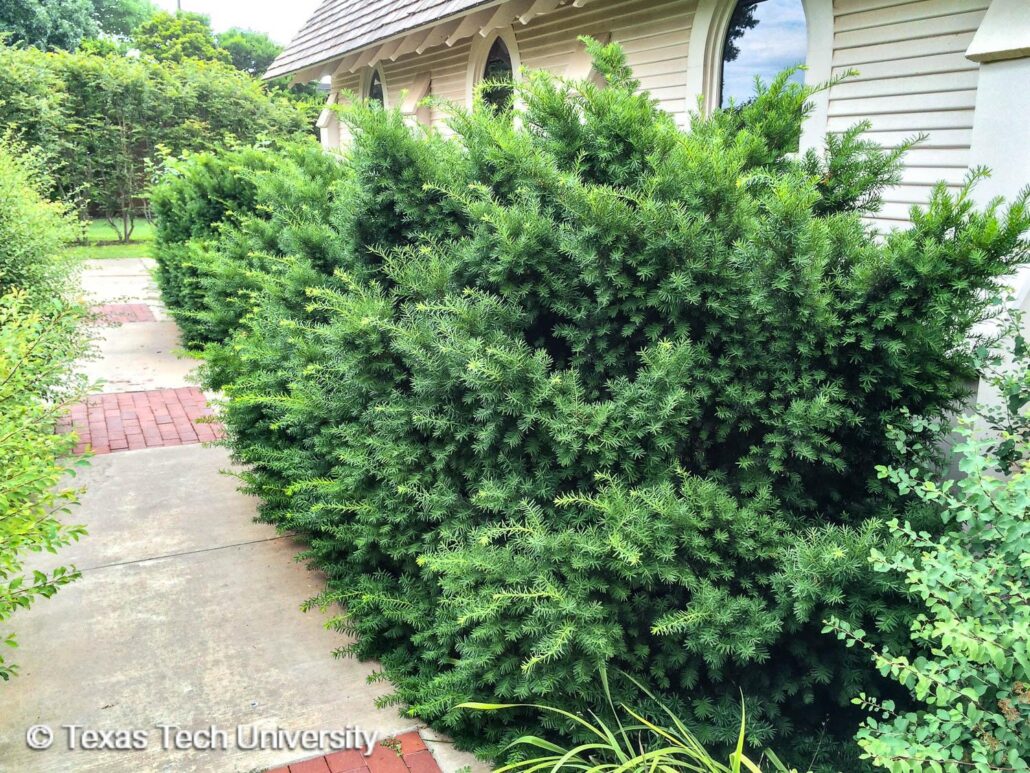
According to the report, Deniz had been working near East 90th Street when he stopped to munch on a shrub along the curb. Not long after that, the horse collapsed and died. The plant Deniz ate was a Japanese yew, an ornamental bush that is toxic and deadly to horses. The necropsy report performed by Cornell University’s College of Veterinary Medicine stated the yew contains powerful toxins that interfere with the heart’s electric signals which leads to irregular heart rhythms and can lead to sudden cardiac arrest, according to the report.

The carriage union wanted the results of Deniz’ death be published to show his death was not a result of neglect or abuse, but rather the fault of the Central Park Conservancy never warning anyone there were deadly yew plants in the park.
The Central Park Conservancy is the official partner for managing, restoring and caring of the 843 acre Central Park. The conservancies collaborate with all New York City parks to maintain the public green spaces across the five boroughs.
The conservancy, however pushed back telling the carriage horse drivers that it is a violation of city law for a horse to eat any vegetation in Central Park.
The same rule requires carriage drivers and operators to attend to their horses at all times in order to keep them safe and healthy. Perhaps if they had, Deniz would not have suffered as he did.
The final results of the necropsy are pending, but veterinarians found evidence of the yew in the horse’s mouth and around his whiskers.
Prior article on the horse’s death can be read here.
Follow the National Pet Rescue on Facebook for the latest animal related news.
Who’s a good dog?